Retaining Wall Construction in Connecticut
builds and repairs masonry retaining walls on residential property in Connecticut and nearby New York. Block and natural stone walls set on a drained, compacted base.
Overview
Masonry Retaining Walls in Connecticut
A retaining wall holds back soil that wants to move. On a sloped Connecticut lot, that pressure never stops, and it grows every single time the ground saturates after heavy rain or a long spring thaw arrives.
Most failed walls were not built badly on the face. They failed behind it, where the gravel backfill, the drain pipe, and the footing should have been. That hidden work is where a wall is actually won.
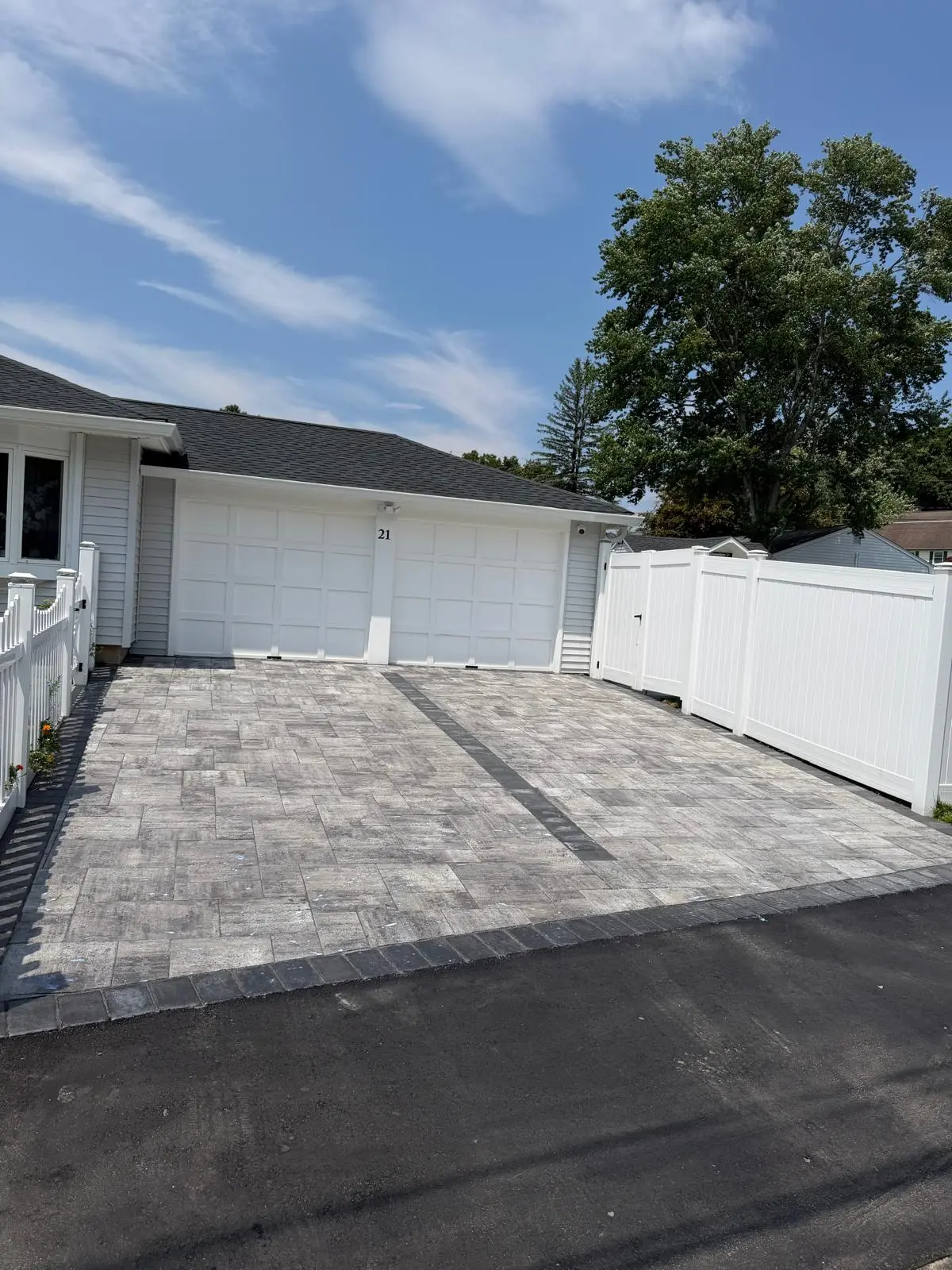
What We Do
What Our Retaining Wall Services Include
Four areas of retaining wall work drawn from the service list, covering new construction, repairs to existing walls, and the grading around them.

Retaining Wall Construction in Connecticut
New retaining wall construction on residential lots. We excavate to a stable subgrade, set a compacted gravel base, run a perforated drain pipe behind the wall, backfill with clean stone, and build the courses with the proper batter.
-
Masonry Retaining Walls in Connecticut
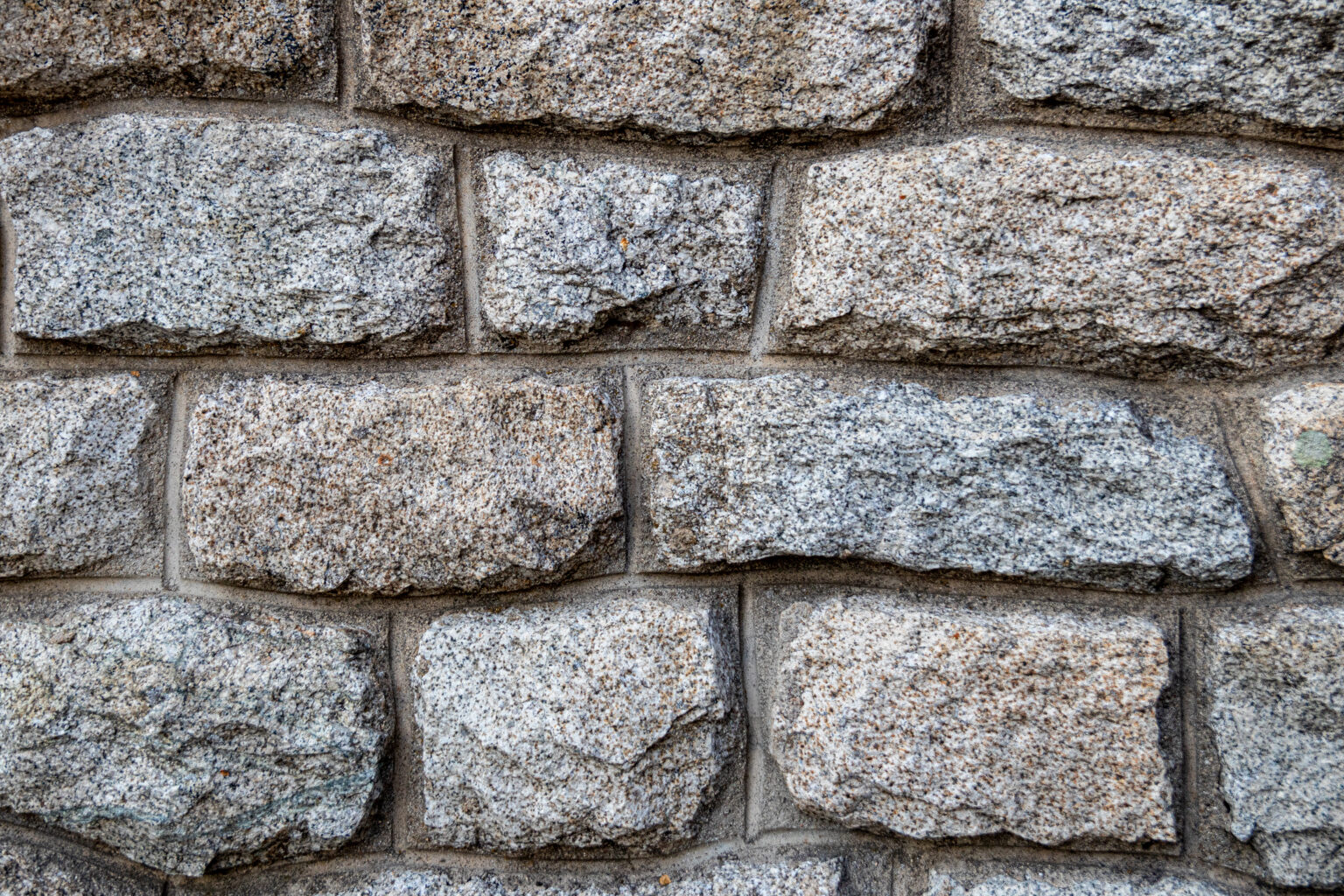
Retaining walls built in segmental block, natural stone, or brick with a masonry cap. Material gets matched to the height of the wall, the soil load sitting behind it, and the look of the rest of the property.
-
Retaining Wall Repairs in Connecticut
Repair work on walls that have started to lean, bulge, or lose courses. We open the failing section, correct the drainage behind it, reset the displaced stone or block, and rebuild the face back to a straight line.
-
Landscape Wall Improvements in Connecticut
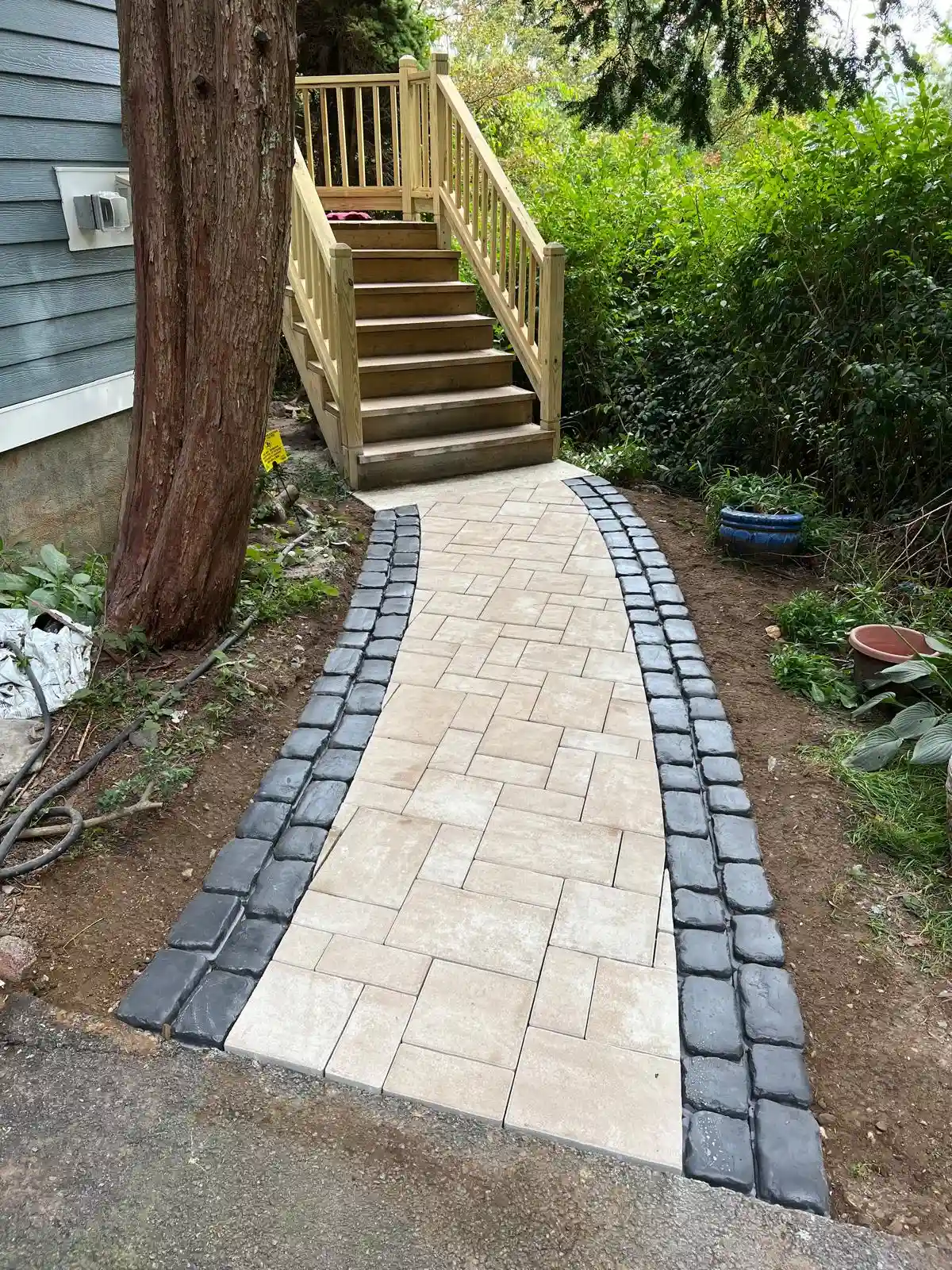
Property and landscape improvements built around the retaining wall itself. Terraced beds, raised planting areas, seat walls, steps cut into a slope, and the regrading that moves all of the surface water away from the house and wall.


- The wall leans forward or bulges out at center
- Courses have separated and gaps show between the units
- Soil or mulch washes out through the wall face
- Standing water collects behind the wall after heavy rain
- The ground above the wall has settled or cracked
-
Drainage Comes First Always
Gravel backfill and a drain pipe sit behind every wall. That hidden work decides how long it stands.
-
Free Estimates, No Obligation
You receive written pricing before any work starts, at no cost and with nothing at all owed upfront.
-
New Walls and Repairs
Both sides of the job, from a complete new build to resetting a section that has already moved.
Our Process
How a Retaining Wall Project Runs
-
Site Review
We look at the slope, the soil, and where surface water runs, then measure the full wall length.
-
Written Estimate
You receive the pricing in writing, with the material, the wall height, and the drainage plan all listed.
-
Excavation and Base
We dig down to a stable subgrade, compact the gravel base, and set the first course dead level.
-
Build and Backfill
Courses go up with the proper batter, drain pipe and clean stone go in behind, then final grading.
Our Work
Retaining Walls We Have Built
Reviews
What Our Clients Say
- Sample review
"Our old retaining wall was leaning toward the driveway. The new stone wall has proper drainage behind it and still looks straight after the spring rain."
- Sample review
"They explained exactly what goes behind the wall before they started digging. The written price matched the final bill and the yard finally drains."
- Sample review
"A section of our block wall had bulged out. They reset it, fixed the drain behind it, and you cannot tell which part was repaired."
Service Areas
Retaining Wall Services Available in These Cities
Select your city for local retaining wall service details. Coverage runs through central and western Connecticut and into nearby New York communities.
It comes down to length, height, and material. A low garden wall and a six foot structural wall are different jobs entirely. We measure the site and put the price in writing.
Almost always water. If there's no gravel backfill and no drain pipe behind the wall, saturated soil pushes on it every spring until the courses separate and the face starts leaning out.
That depends on your town and on the wall height. Many Connecticut towns require a review above four feet, and taller walls often need an engineer. Check with your building department first.
Often, yes. If the base is sound and only a section has moved, we open that part, fix the drainage, and reset it. If the base failed, rebuilding is the honest answer.
Both block and natural stone last for decades when the base and the drainage are right. The material is a look and budget decision. What sits behind the wall decides its lifespan.
Yes. We cover Westchester, Putnam, and nearby communities including White Plains, Yonkers, Katonah, Bedford, Ossining, and Port Chester. Just call us today and we will confirm the full coverage for your property.
Free Estimate
Ready to Build Your Retaining Wall in Connecticut?
Send the details of your wall project and receive written pricing at no cost. New construction, repairs, drainage, and grading.